
The Benefits of Using Injection Molding for Prototyping
Understanding Injection Molding for Prototyping
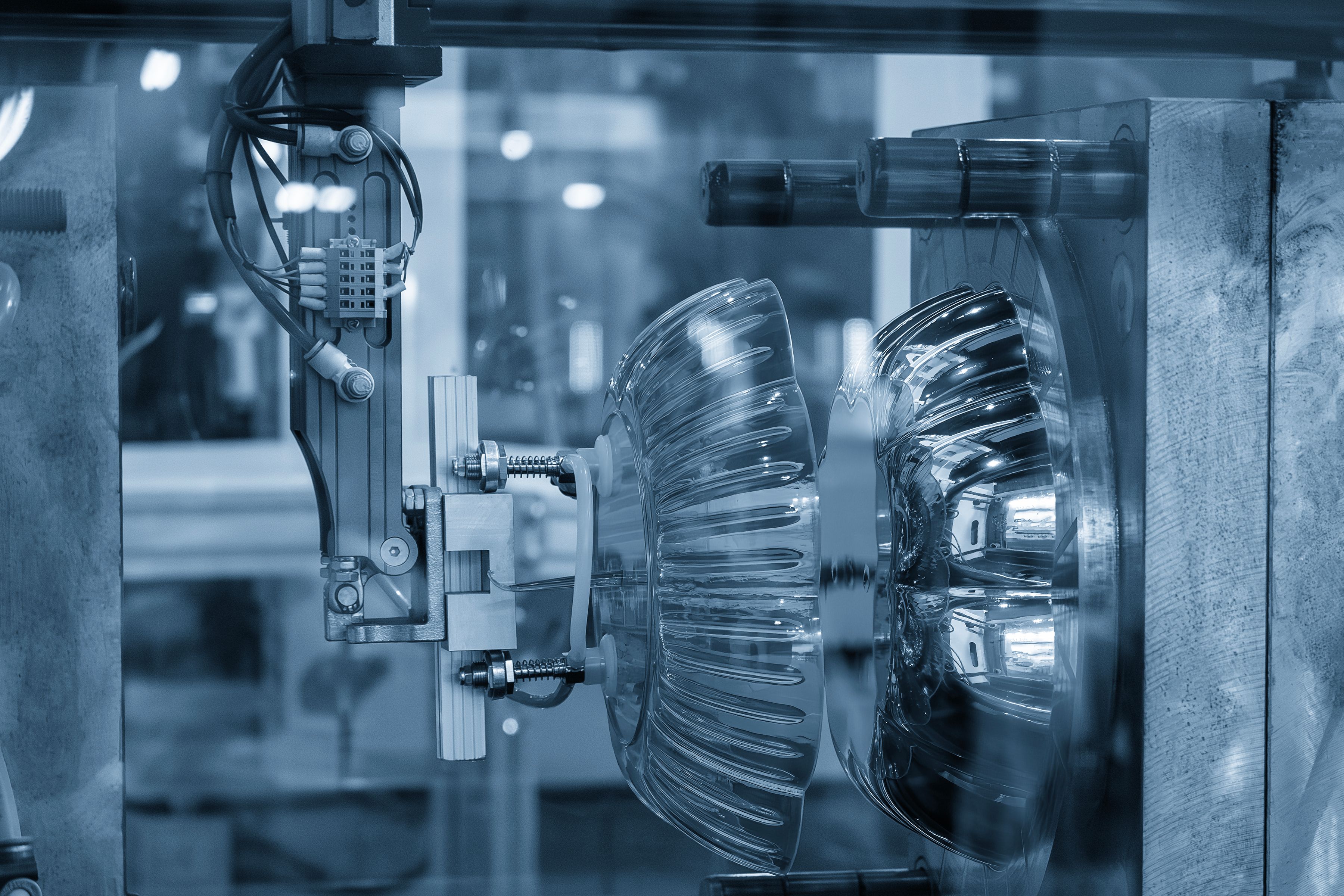
Injection molding is a popular manufacturing process used to produce parts by injecting molten material into a mold. It is widely utilized in the prototyping phase due to its efficiency and precision. Understanding its benefits can significantly enhance your product development cycle.
When it comes to prototyping, the main goal is to validate design concepts. Using injection molding, designers and engineers can create functional prototypes that closely resemble the final product. This method is ideal for testing and refining designs before moving to mass production.
Advantages of Speed and Efficiency
One of the most compelling benefits of using injection molding for prototyping is its speed. Once a mold is created, the process can produce parts rapidly. This allows for quicker turnaround times, enabling companies to iterate faster and bring products to market more swiftly.
Efficiency is further enhanced by the ability to produce complex geometries in a single step. The automation of the process reduces manual labor, mitigating human error and saving valuable time.
Cost-Effectiveness in Prototyping
While the initial cost of creating molds can be high, the long-term benefits often outweigh these expenses. Injection molding minimizes material waste, as excess material can often be recycled. This leads to significant cost savings, especially when producing large volumes.
The process also reduces the need for additional finishing work, as it produces smooth surfaces and detailed features right from the start. This can reduce overall production costs and enhance the prototype's quality.

Material Versatility
Injection molding supports a wide variety of materials, from plastics to metals. This versatility allows designers to select the best material for their prototype, taking into account factors such as strength, flexibility, and thermal resistance.
Having the option to experiment with different materials during prototyping can lead to innovative solutions and improvements in the final product design.
High Precision and Consistency
With injection molding, manufacturers achieve high precision and consistency in each prototype. This is crucial for products that require exact specifications and tolerances. Consistency in prototyping ensures that each iteration is true to the design, providing reliable data for testing and validation.
Scalability for Future Production
Injection molding not only benefits the prototyping phase but also sets the stage for future production. The molds used in prototyping can often be adapted for mass production, allowing for a seamless transition from prototype to final product. This scalability is invaluable for businesses planning to scale their operations.
By choosing injection molding for prototyping, companies gain a competitive edge, ensuring their products are market-ready with minimal risk and maximum efficiency.