
How Injection Molding Solutions for Plastic Parts Revolutionize Manufacturing
Understanding Injection Molding
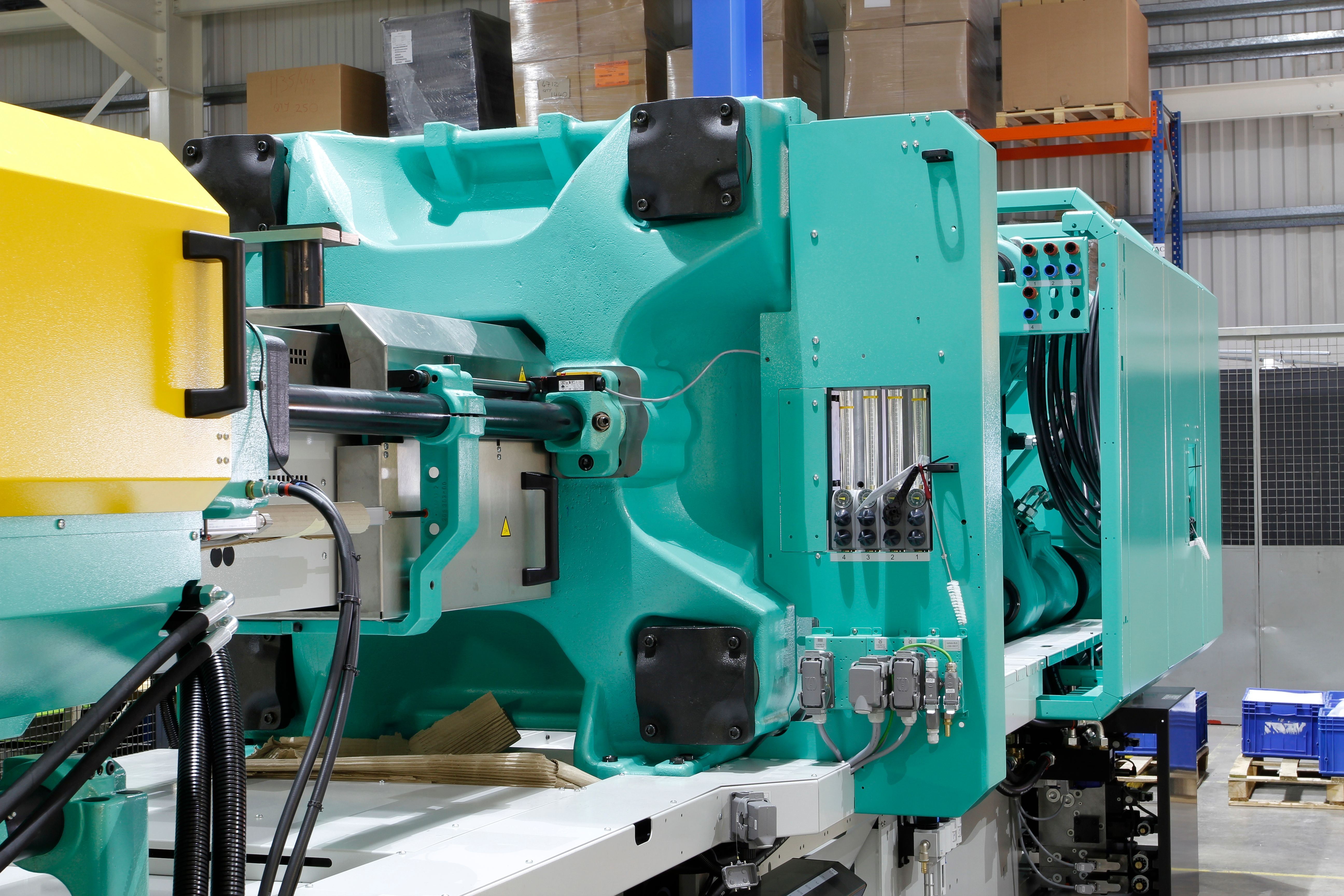
Injection molding is a widely used manufacturing process for producing plastic parts. It involves injecting molten plastic into a mold cavity, where it cools and solidifies into the final product shape. This method is highly efficient and capable of producing complex designs with precision.
The popularity of injection molding stems from its ability to produce large volumes of identical parts quickly and cost-effectively. This process is used in various industries, including automotive, consumer goods, and electronics.
Advantages of Injection Molding
Cost-Effectiveness
One of the primary benefits of injection molding is its cost-effectiveness. Once the initial mold is created, the cost per unit decreases significantly, making it an ideal choice for mass production. The high-speed output also contributes to lower production costs.
Design Flexibility
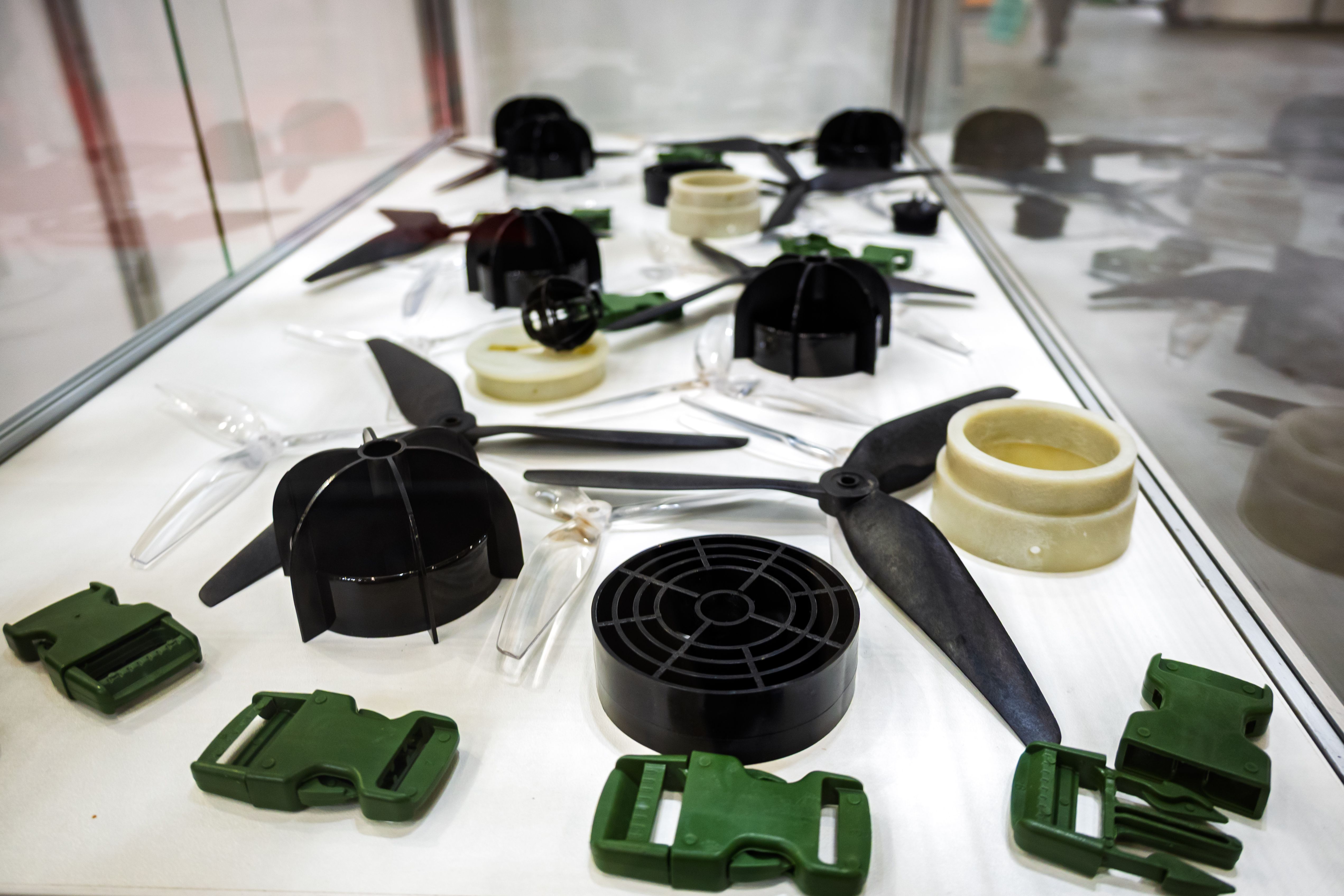
Injection molding offers remarkable design flexibility. It can handle intricate geometries and detailed features that would be challenging with other manufacturing methods. This capability allows designers to innovate and create unique products that stand out in the market.
Impact on Manufacturing Efficiency
High Precision and Consistency
The precision of injection molding ensures that each part is identical, maintaining consistent quality across production runs. This consistency is crucial for industries where precision is key, such as medical devices and aerospace.
Reduced Waste
Injection molding minimizes waste by using only the necessary amount of material to create each part. Any excess material can often be reused or recycled, contributing to more sustainable manufacturing practices.
Applications Across Industries
Injection molding solutions are integral in various sectors. In the automotive industry, they are used to produce components such as dashboards and bumpers. In electronics, injection molding creates housings and connectors, while in healthcare, it produces parts for medical devices.
This versatility makes injection molding a cornerstone of modern manufacturing, supporting innovation and efficiency across different fields.
Future of Injection Molding
The future of injection molding looks promising with advancements in materials and technology. Innovations such as 3D printing and the use of biodegradable plastics are set to enhance the capabilities and sustainability of this process.
As technology evolves, injection molding will continue to revolutionize manufacturing, offering even greater precision, speed, and environmental benefits.