
From Drawing to Reality: The Custom Parts Manufacturing Process
The journey from a simple sketch to a tangible product in custom parts manufacturing is nothing short of fascinating. It involves a blend of creativity, precision, and advanced technology that transforms ideas into reality. This process is crucial for industries that require specialized components tailored to their unique specifications.
Custom parts manufacturing begins with a concept or a design idea. Clients often come with specific needs, which are then translated into detailed drawings or CAD models. These designs are crucial as they serve as the blueprint for the entire manufacturing process, ensuring that every specification is met with precision.
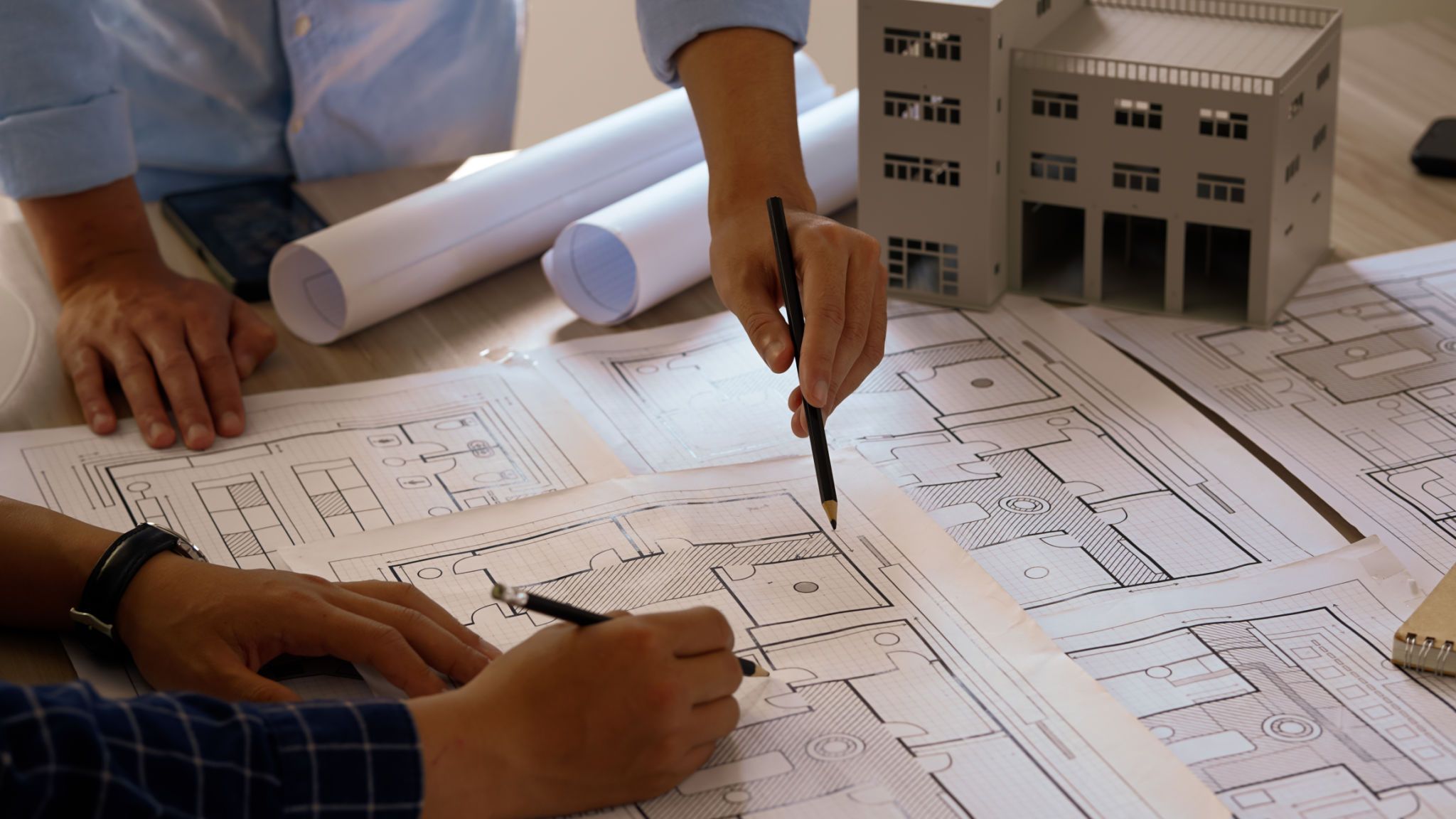
Understanding Client Requirements
Before any manufacturing process begins, understanding the client’s requirements is essential. This involves detailed discussions to comprehend what the client envisions. The specifications, materials, and functionality of the part are all crucial elements that need to be defined at this stage.
Once the requirements are gathered, design engineers create a digital model. These models are often developed using advanced CAD software, allowing for intricate details and complex shapes to be incorporated. The digital design phase is critical as it sets the foundation for the entire process.
Prototyping and Testing
With a digital model in place, the next step is prototyping. Creating a prototype allows manufacturers to test the design in real-world conditions. This phase helps in identifying any potential issues and making necessary adjustments before mass production begins.
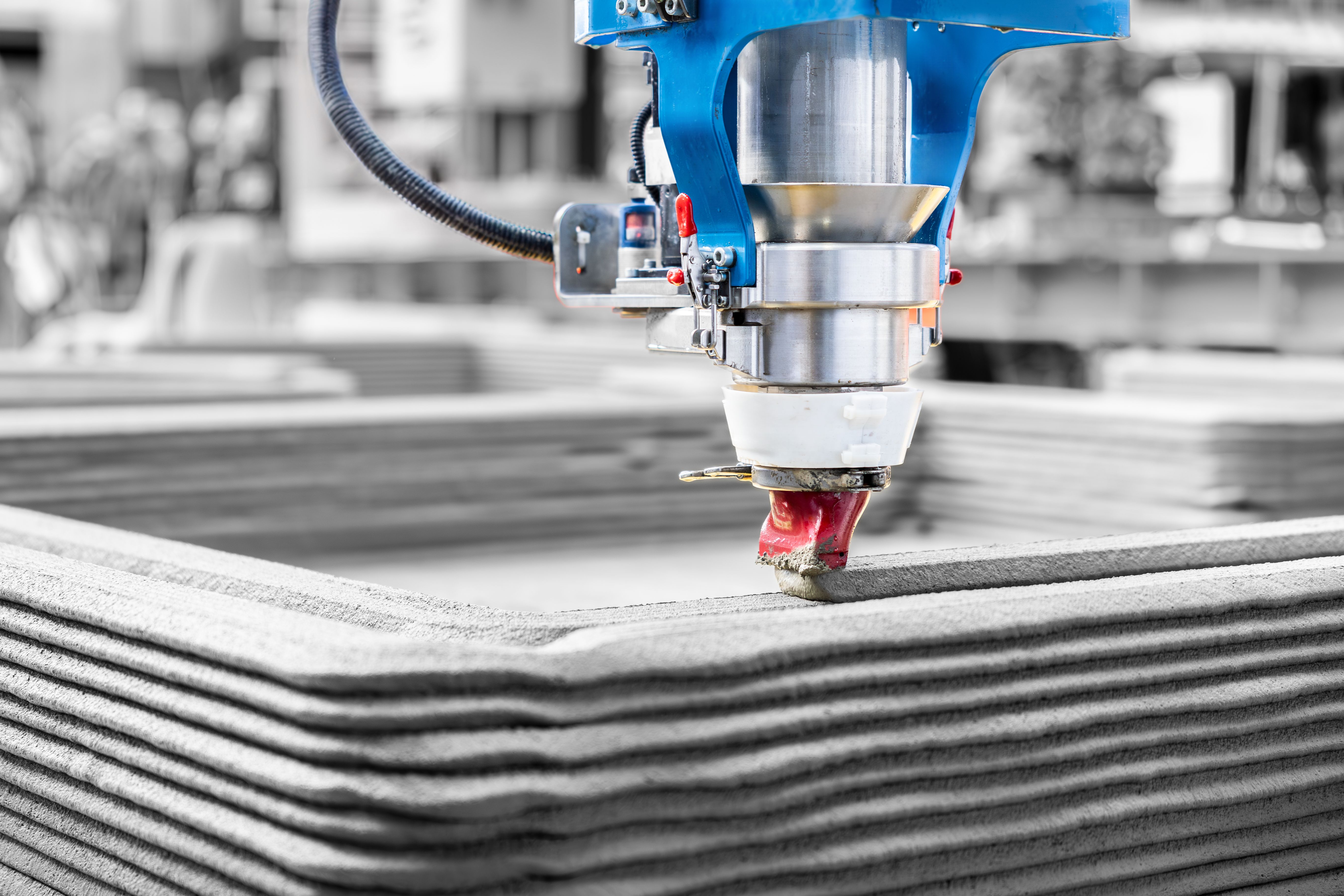
Prototyping can be done using various methods, including 3D printing and CNC machining. These techniques offer flexibility and precision, enabling quick iterations and refinements to the design.
The Manufacturing Process
After the prototype is approved, the manufacturing process can commence. Depending on the complexity and material requirements, different techniques are employed, such as CNC machining, injection molding, or additive manufacturing. Each method has its own set of advantages, and the choice depends on the project specifics.
During manufacturing, quality control is paramount. Rigorous checks are conducted at various stages to ensure that each part meets the highest standards. This involves measuring dimensions, assessing material integrity, and testing functionality.

Final Assembly and Delivery
Once all parts are manufactured and inspected, they are assembled to form the final product. The assembly process might involve additional steps like welding, painting, or coating, depending on the product's requirements.
Finally, the finished product undergoes a last round of quality checks before delivery. Ensuring that the product meets the client's expectations in terms of performance and aesthetics is crucial for customer satisfaction.
The Future of Custom Parts Manufacturing
As technology advances, custom parts manufacturing is becoming more efficient and versatile. Innovations such as artificial intelligence and IoT are being integrated into the manufacturing process, leading to smarter production lines and enhanced product capabilities.
The evolution of materials, including the development of composites and bio-materials, is opening up new possibilities for custom parts manufacturing. As we look to the future, the potential for innovation in this field is limitless.