Case Study: Custom Electronic Components for IoT Devices
Introduction to Custom Electronic Components for IoT Devices
The Internet of Things (IoT) is revolutionizing industries by connecting devices and enabling smarter decision-making. A critical aspect of IoT device functionality is the integration of custom electronic components. These components enhance performance, reduce costs, and offer tailored solutions for specific applications.
In this case study, we explore how custom electronic components have been successfully implemented to optimize IoT devices. By examining real-world examples, we illustrate the advantages and challenges of this approach.
Understanding the Need for Custom Components
IoT devices often operate in unique environments, requiring specific functionalities that off-the-shelf components cannot provide. Custom components allow manufacturers to address these unique needs, ensuring devices meet precise specifications.
For instance, custom sensors can be designed to measure particular environmental parameters, while bespoke microcontrollers can streamline processing tasks efficiently. This level of customization can significantly enhance the device's overall performance.

Benefits of Custom Components
The use of custom electronic components in IoT devices offers several benefits:
- Improved Efficiency: Tailored components ensure optimal performance, reducing energy consumption and extending device longevity.
- Cost-Effectiveness: By designing components specifically for the task, manufacturers can minimize unnecessary features, cutting costs.
- Enhanced Security: Custom components can incorporate advanced security features, safeguarding data and device integrity.
Case Study: Implementing Custom Solutions
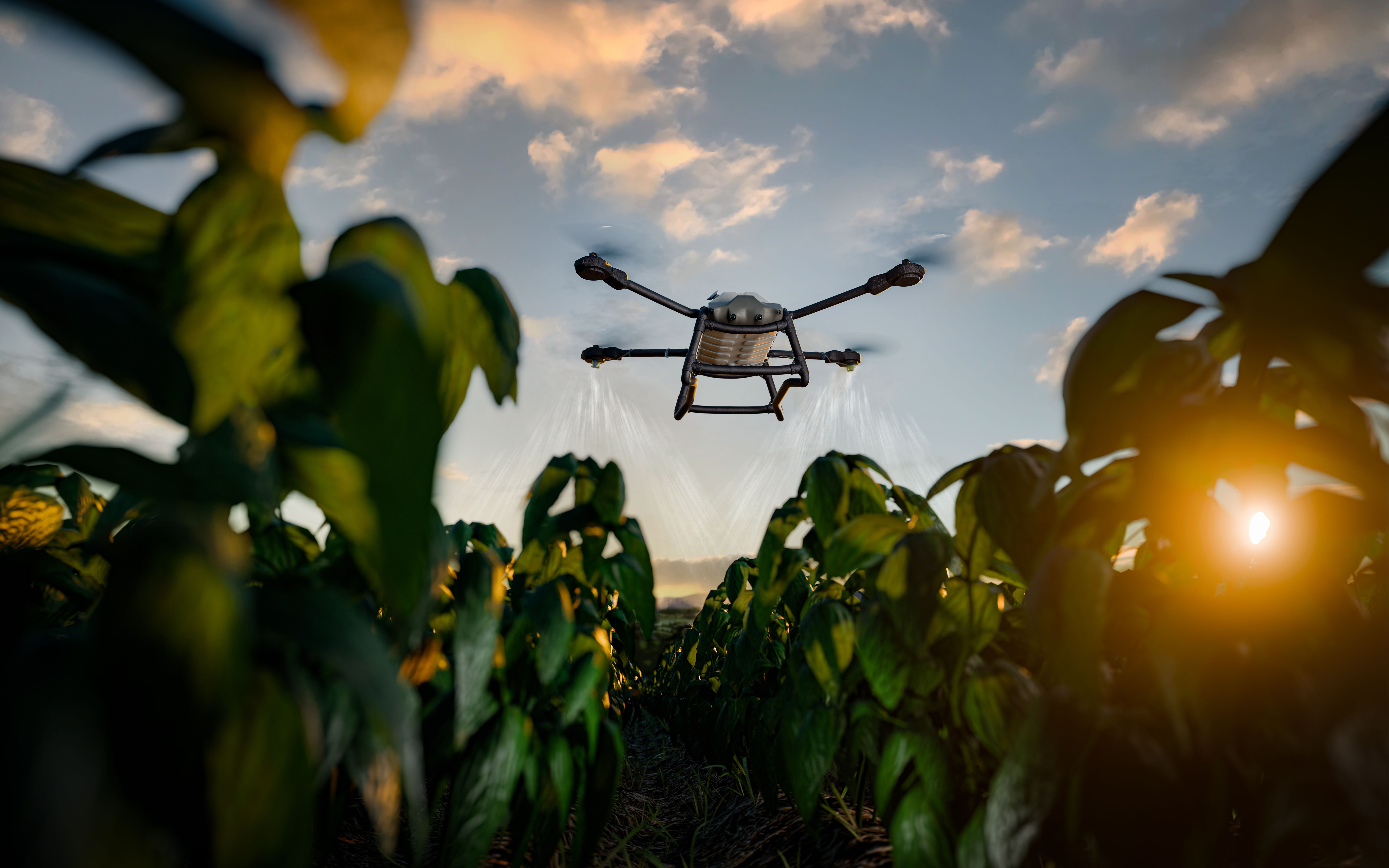
A leading agricultural technology company sought to enhance its IoT-enabled irrigation systems. The existing systems used generic sensors that were not fully compatible with the diverse range of crops and soil types.
By developing custom moisture sensors and integrating them with specialized control units, the company achieved more accurate data collection and responsive water management. This innovation led to a significant reduction in water usage, promoting sustainable farming practices.
Challenges in Custom Component Development
Despite the clear benefits, developing custom electronic components for IoT devices comes with challenges. These include:
- Design Complexity: Custom components require intricate design processes, demanding specialized expertise and tools.
- Longer Development Time: Tailoring components extends the development timeline, potentially delaying product launches.
- Higher Initial Costs: The upfront investment in research and development can be substantial, although it often pays off in the long run.
Conclusion: The Future of Custom IoT Components
As IoT continues to expand, the demand for custom electronic components will likely grow. Manufacturers must weigh the benefits of tailored solutions against the challenges of development. By fostering strong partnerships with component suppliers and leveraging advanced design technologies, companies can navigate these challenges effectively.
Ultimately, custom electronic components hold the potential to unlock new opportunities, driving innovation across various sectors. As this case study demonstrates, the strategic implementation of custom solutions can lead to significant advancements in IoT device performance and sustainability.